
I wanted to be an officer
I loved serving in the Navy. I was doing well, taking on responsibility, and working toward becoming an officer. Leaving a year before the end of my enlistment wasn’t the path I had planned, but difficult circumstances at home led me to apply for voluntary early separation.
To explain that decision, it helps to start with how I entered the Navy — and how my plans changed along the way.
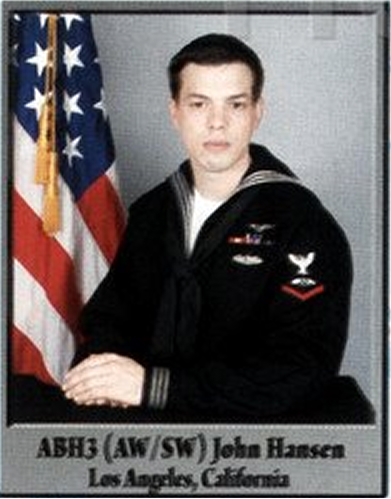
A different assignment
My original intended rating was Cryptologic Technician Interpretive, or CTI, with aircrew and search and rescue swimming as a backup. During recruit training, I was called to the main administrative office and told that my wife’s citizenship status prevented me from continuing on the CTI path. I hadn’t known she wasn’t a U.S. citizen.
I was given a choice between Aviation Boatswain’s Mate and Boatswain’s Mate. I chose aviation. It was already an interest of mine, and of the options available, it felt like the right direction.
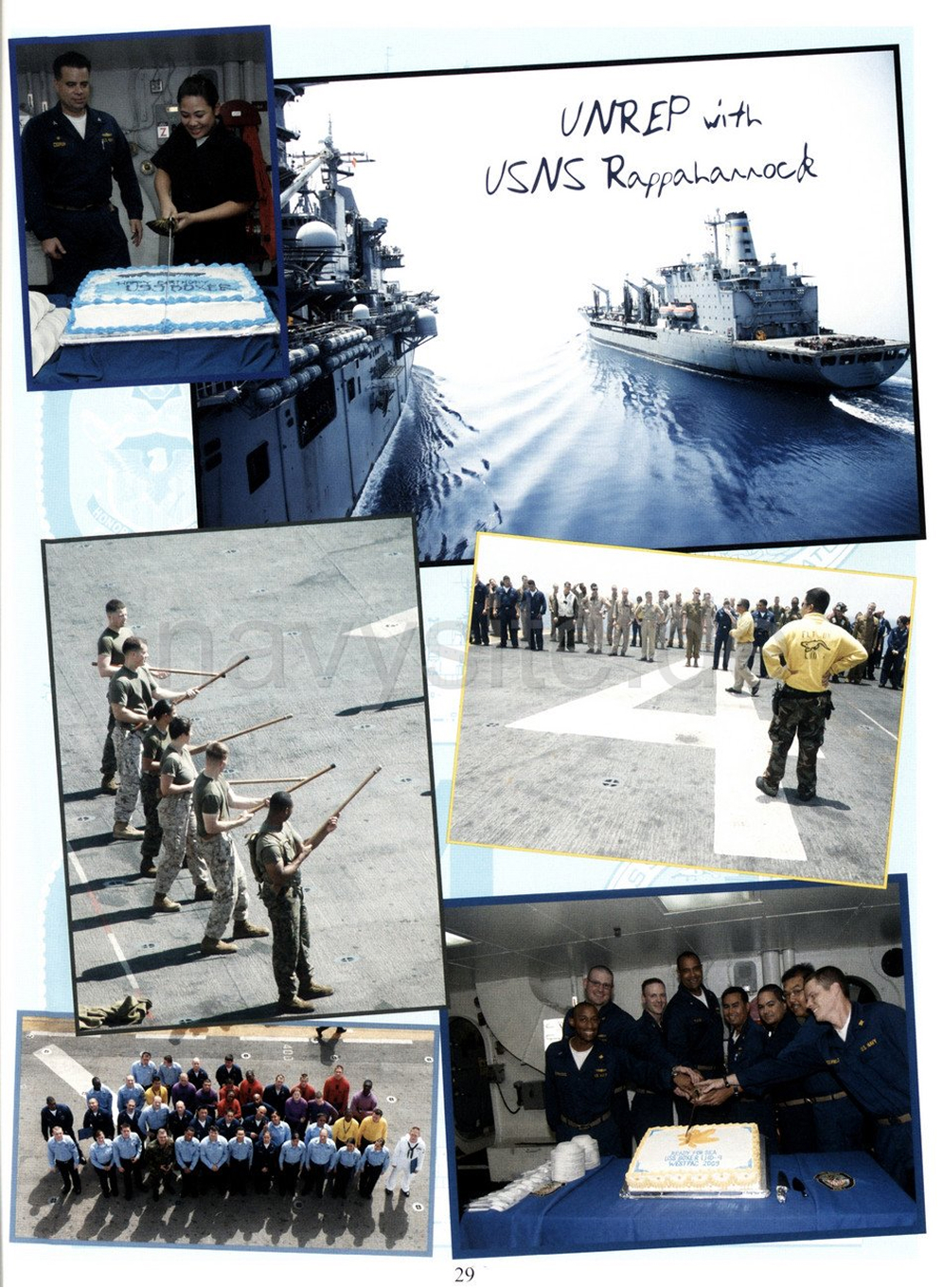
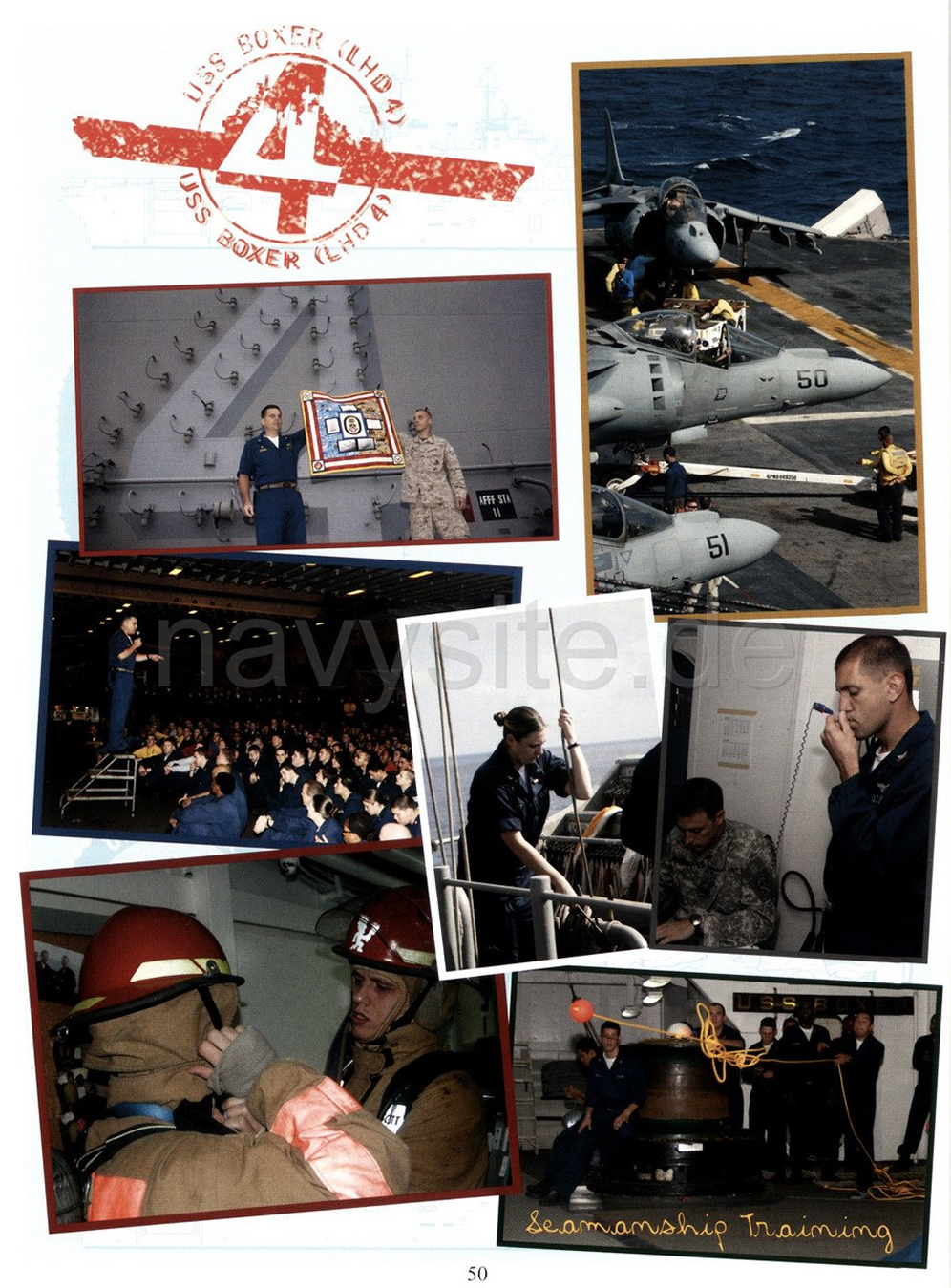
That decision eventually brought me to the Air Department aboard USS Boxer (LHD-4).
Finding my place aboard Boxer
I took the work seriously. I studied constantly, stayed in good physical condition, and steadily earned my qualifications. I performed well on tests and consistently received Early Promote recommendations on my evaluations.
Over time, I worked my way into a tower operator position (where I happened to find myself with night vision goggles during a part of the rescue of Captain Phillips), serving close to the Air Boss and other aviation officers as they directed aircraft operations. It gave me a closer view of how decisions were made and how much coordination the work required.
I also earned my yellow shirt qualification under Chief Garcia, qualifying me to direct aircraft on the flight deck. That was an important milestone for me. Between the tower and the flight deck, I had earned responsibilities I was proud of and built a foundation for continuing my career.
I wanted to become an officer, and I was preparing for that possibility.
The decision to apply
At the same time, problems in my marriage were becoming more difficult. The details are private, but they were serious enough that I could no longer see a workable way to continue along the path I had planned while addressing what was happening at home. I also felt wildly out of place in my rate as an Aviation Boatswain’s Mate – Handler. Given that the Navy has limits on how many personnel can serve in any given rate, I ultimately wanted to get out so that others who were better suited could find success.
During that period, I came across a Navy instruction allowing eligible sailors to apply for voluntary early separation. It gave me a possible way forward.
I discussed the opportunity with my chain of command and began preparing an application. The package required substantial work. I put together a presentation explaining my circumstances and plans, and submitted the request for review by the Executive Officer and, ultimately, the Commanding Officer of Boxer.
Throughout the process, I met with my superiors to discuss the decision. They wanted to understand what I intended to do after leaving and whether I had thought through the consequences. Those conversations mattered to me. I felt that they cared about where I was headed, and I remain grateful for that.
Preparing for either outcome
Approval was uncertain until late in the process. While the request was under review, I continued preparing to pursue a commission and to carry on with my enlistment if it wasn’t approved. I wanted to be in a strong position whichever way the decision went.
Eventually, my request was approved. I would leave the Navy one year before the end of my enlistment.
The transition happened quickly. I made preparations to leave San Diego for Santa Monica, where I planned to study Game Art and Design and begin building a different kind of career.
Leaving was a significant change. I had invested in my work, earned the trust of people around me, and imagined a future in the Navy. I still valued all of that. Early separation gave me room to respond to circumstances that had become difficult to sustain.
Moving toward design
At age twenty-six about to turn twenty-seven, I began a program studying Game Art and Design, my first direction after the Navy, but it wasn’t where I stayed. As I studied, I learned about and found that graphic design was a stronger fit for my abilities and interests. I changed programs and began to see a new path take shape — one that would become my passion, which is amusing when I reflect now because I hadn't really know about graphic design as an option; I had always thought design was from fine art turned in that direction, and I wasn't fond of formal art classes and never expressed interest in pursuing.
That transition my subsequent divorce (I never thought I'd divorce someone) from my wife deserves its own story.
The next chapter will come soon.